ManMade: The Italianate That Refuses To Apologize
A Blue Ribbon Team Feature on the Peck–Congdon House (and Why We Need Buildings Like This Again)
There’s a particular kind of house you only find in neighborhoods that remember who they used to be. The kind built when a city wasn’t afraid of ornament, pride, or the idea that beauty had a public function. The kind that didn’t mumble itself into existence hoping not to offend a zoning board.
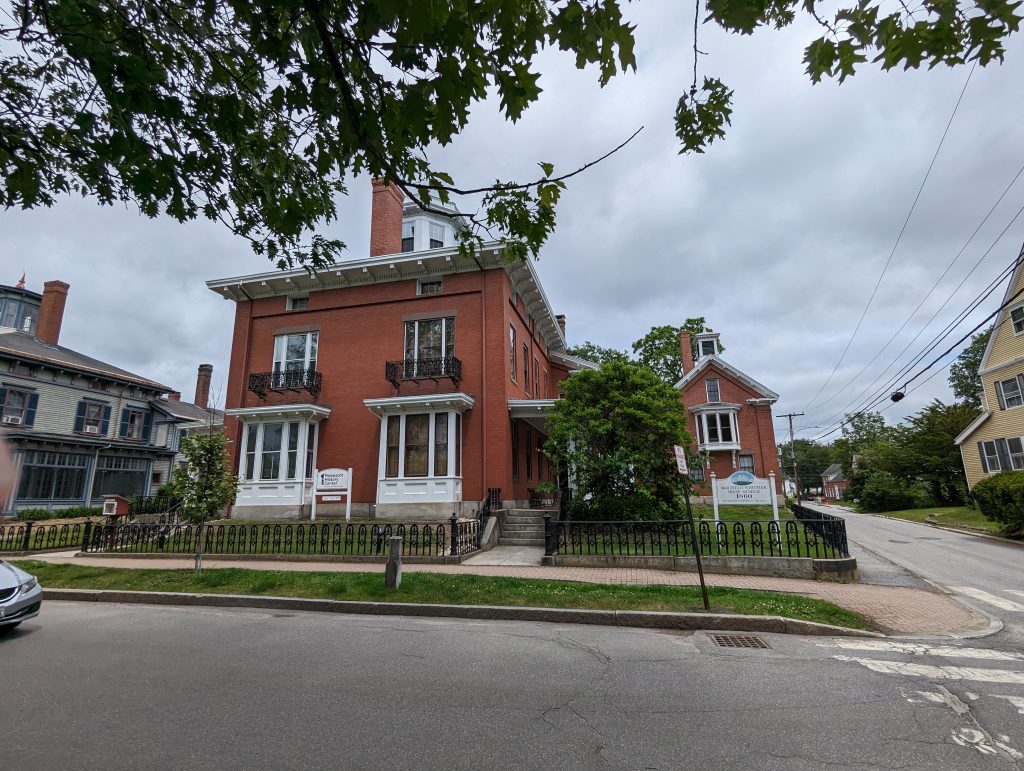
And on a quiet corner, under a canopy of old maples, stands exactly that kind of house.
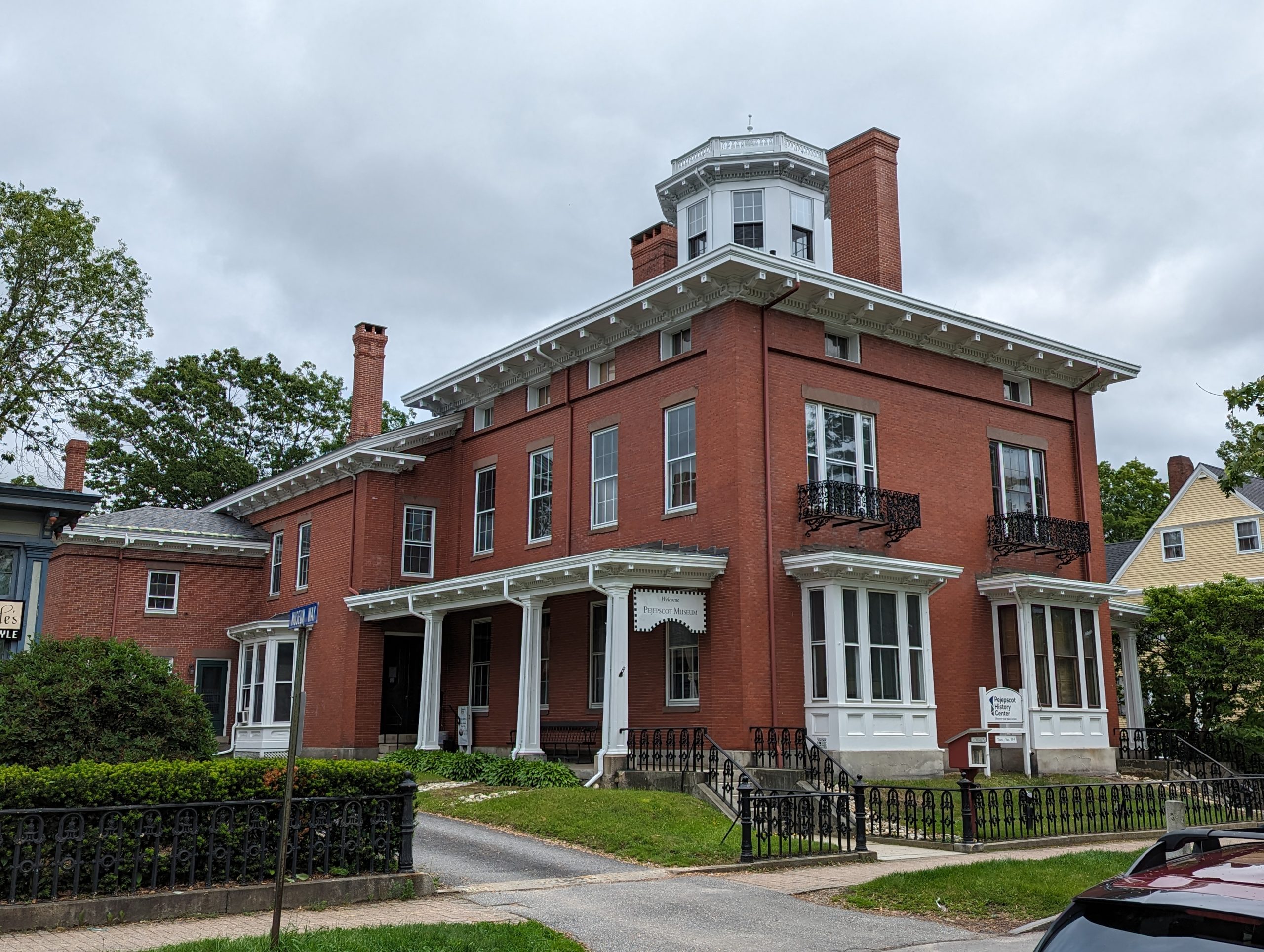
A brick Italianate mansion, square-shouldered and utterly self-assured, with an octagonal cupola punching into the sky like it’s still watching for clipper ships returning from the Indies. The whole place breathes the confidence of a culture that expected buildings to pull their weight—not just shelter, but storytelling. Not just function, but grace. Not just walls, but art.
A Villa for the Industrial Age
Built in the mid–19th century, this Italianate—now known as the Peck–Congdon House—was the American industrial class saying, “Yes, we work hard, and yes, we deserve some drama.”
Look at it long enough and you can see the checklist of every Italianate we secretly wish modern builders still cared about:
- Deep bracketed cornices that could shade you from the afternoon sun and make a stonecutter weep with envy.
- Tall, narrow windows that stretch like the house is standing at attention.
- Floor-length parlor bays designed for actual daylight, not LED approximations of it.
- Wrought-iron Juliet balconies that exist for no practical purpose beyond pure romance.
- A cupola—the architectural equivalent of a raised eyebrow—because every good house deserves a tower to think in.
The carriage house, tucked just off the main block, mirrors the mansion like a loyal understudy: same brick, same trim, same unashamed poise. Even secondary structures used to have dignity. Imagine that.
This Is What Happens When Architecture Believes in Itself
Walk around this property and you feel something we don’t often experience in contemporary neighborhoods: intentionality.
A sense that the builders weren’t afraid to leave their fingerprint on a place. That a building wasn’t finished until it could be pointed at proudly.
This is the antithesis of the bland, corporate, spreadsheet-driven architecture that has swallowed American cities whole. Somewhere along the line, we accepted the idea that beauty was extravagant, that ornament was wasteful, that buildings should apologize for being seen.
Italianates, however, never apologize.
They stand there with their edges crisp and their cornices loud, reminding us that cities used to compete through artistry, not parking minimums.
Why Places Like This Matter Now More Than Ever
A house like this isn’t just architecture—it’s identity scaffolding.
It tells a neighborhood who it is.
It tells a passerby that someone once cared about this block enough to crown a roofline with brackets carved like acanthus leaves.
It tells the present that the past didn’t always whisper; sometimes it sang.
And here’s the truth:
Public art isn’t always a sculpture. Sometimes it’s the house on the corner.
When we talk about revitalizing downtowns, restoring old neighborhoods, or making communities walkable again, this is what we’re fighting for—not nostalgia, but texture. Not elitism, but craft. Not luxury, but belonging.
Because people don’t fall in love with cities because of their traffic flow.
They fall in love with cupolas.
Bring Back the Italianate (We’re Serious.)
Maybe it’s time we stop thinking of architecture as a cost and start thinking of it as a gift—one the past extended to the future without knowing our names.
If more modern builders remembered what this house knows—that beauty is not an add-on, but a civic responsibility—our streets wouldn’t feel so temporary.
Let’s resurrect the bracket.
Let’s rehang the balcony.
Let’s punch a tower into the skyline again.
Let’s make our built environment worth lingering over.
This corner Italianate isn’t a relic.
It’s a roadmap.
And it’s whispering to anyone who will listen: