The Switch I Never Turned Off
I was watching Hawkeye’s “Nightmare” episode of MASH the other night, and it stirred up something familiar. Not just memories—patterns. Ways of thinking. Ways of surviving.
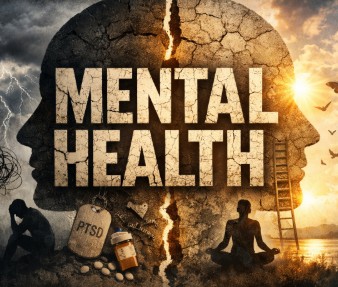
It made me reflect on my own struggles with PTSD from my time in service.
I’m convinced it’s far more common than anyone really admits.
I know this because when I talk to other service members about the things that wrecked me, they understand immediately. They don’t dramatize it. They don’t flinch. They usually downplay it—not because it didn’t matter, but because in our world, we all know people who had it worse. Brothers and sisters who didn’t come home. Who lost limbs. Who lost pieces of themselves that never came back.
I lived.
My most serious physical injury was a broken leg.
So in that culture, my pain didn’t feel like it qualified.
But when I tell civilians the same stories, the reaction is completely different. Horror. Shock. Silence. Sometimes disbelief.
That contrast taught me something important:
It wasn’t the events themselves that broke me.
It was what I did afterward.
At some point, I locked myself into fight-or-flight mode—and never turned it off.
Everything became a variation of alert status.
Sometimes high.
Sometimes moderate.
Never zero.
Never peace.
I didn’t recognize it for what it was.
And when I did feel it—when the anxiety, anger, and exhaustion surfaced—I buried it. I didn’t want to look weak. I didn’t want to look unstable. I didn’t want to be “that guy.”
So I stayed quiet.
I stayed functional.
I stayed wound tight.
For years.
Over time, I started to notice something else.
I see this same tension and anger in people everywhere.
Different jobs.
Different backgrounds.
Different lives.
Same posture.
So many people are walking around carrying old trauma they never got to process. They’re living in a permanent state of pressure. They don’t know how to function without anger and rage leading the way, because anger feels strong. It feels protective. It feels like control.
But most of the time, it’s just pain wearing armor.
When I see it now, it doesn’t make me judgmental.
It makes me want to reach out.
Because I recognize it.
I know what it costs.
When I finally started talking about what led to my breakdown, I learned something painful but predictable: a lot of people wrote me off. Once you admit you’ve struggled, some folks stop seeing you as capable. They reduce you to the worst chapter of your life.
That fear wasn’t imagined.
It was real.
But here’s the truth:
Once I finally got the chance to really shut down—to fully rest, to fully decompress, to truly turn it off—I saw things clearly for the first time in decades.
So much of my fear was unnecessary.
So much of my anger was misplaced.
So much of my vigilance was no longer protecting me.
It was just hurting me.
If I had understood that 35 years ago…
If I had accepted the help that was offered.
If I had demanded the help that was denied.
If I had believed that strength included repair, not just endurance…
My life might have unfolded very differently.
Not perfect.
But healthier.
Lighter.
More peaceful.
I can’t change that timeline.
But I can understand it now.
And today is a better outcome—not because nothing went wrong, but because I finally know what went wrong.
I finally know that survival mode is meant to be temporary.
It is not a life.
And I hope, by saying this out loud, someone else recognizes themselves in it sooner than I did.
Before they spend decades running on a switch that was never meant to stay on.