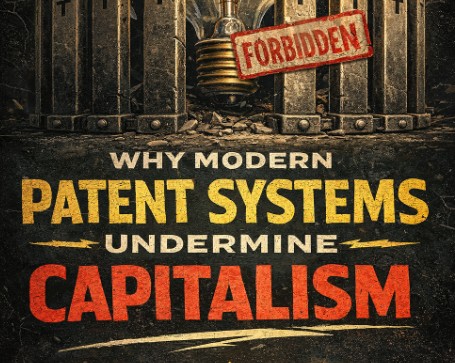
Why Modern Patent Systems Undermine Capitalism Capitalism depends on competition.Not branding.Not scale.Not legal leverage.Competition. When competition weakens, markets stagnate. Innovation slows. Power concentrates. Prices rise.
Category: Artificial Intelligence

Artificial Intelligence Cernunnos Foundation Culture Design Science and Research Thought Experiments
Free AI
There are two phrases being thrown around right now, and people keep using them like they mean the same thing. They don’t. “Free AI” is
Artificial Intelligence Bright Meadow Group Cernunnos Foundation Culture Design Finance and Banking Government Indianapolis Intellectual Property Johnstown Science and Research Thought Experiments
Why the Future Is Built in Public
For most of human history, ideas were guarded like treasure. Inventors hid notebooks. Companies locked research behind patents. Governments buried plans inside committees. Knowledge moved
Artificial Intelligence Bright Meadow Group civic architecture Design Environmental Thought Experiments
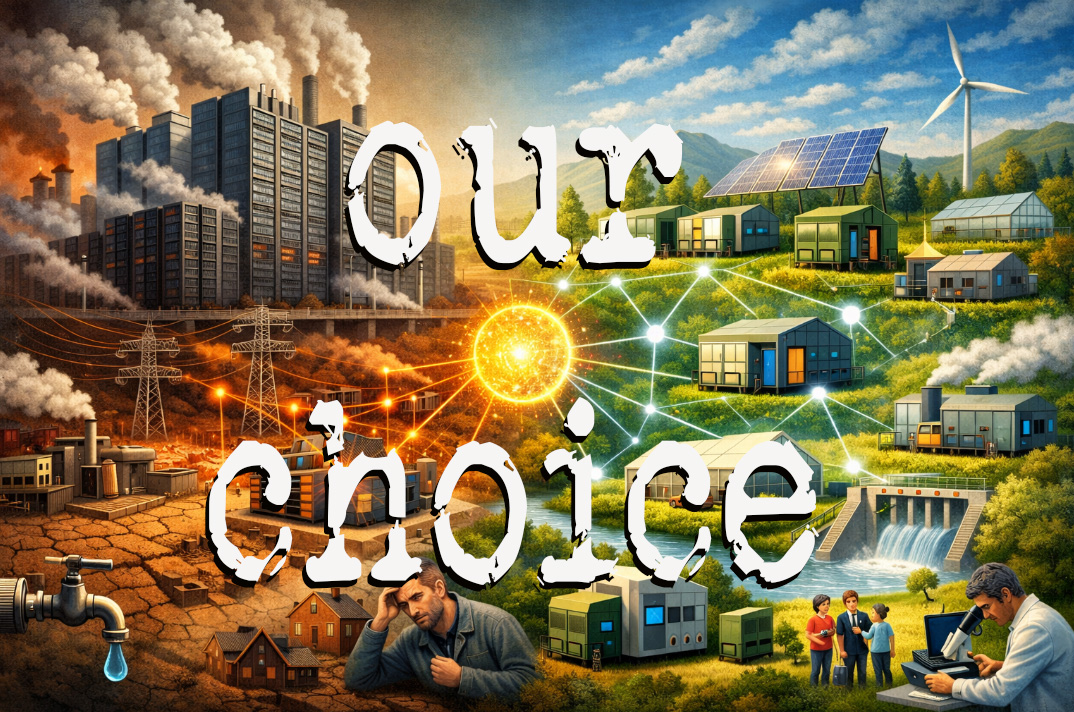
Distributed Intelligence Infrastructure
A Bright Meadow Group Framework for Modular AI & Municipal Compute Executive Premise Artificial intelligence is rapidly becoming foundational infrastructure.Its computational backbone—data centers—now shapes energy

Opportunity used to look like a single door.
Now it looks like this.
A thousand possible directions — and no clear signal telling you which one matters most.

A Bright Meadow Group Systems Solution for Construction Supply and Jobsite Efficiency Overview Across residential and light commercial construction, one of the most persistent inefficiencies

Artificial Intelligence Cernunnos Foundation Culture Design Science and Research Thought Experiments
We Are Already Inside the Singularity
People keep waiting for the singularity as if it is a date on a calendar. A machine wakes up.A threshold is crossed.The world changes overnight.

I didn’t expect to start using AI like this. At first it was curiosity. Then productivity. Then it became something else entirely. It became a

A Systems-Level Clarification on Extrapolation, Human Learning, and Machine Error Preface: Clarifying Earlier Work In prior writing, I introduced the idea that intelligence — human

Artificial Intelligence Cernunnos Foundation Culture Design Energy Environmental Finance and Banking Government Intellectual Property Labor Paleontology Science and Research Thought Experiments
the Edge of Humanity
We Are Standing at the Edge of Everything Humanity Has Built Every generation thinks it lives at an important moment. Most are wrong. We are

Miss O: The Technique Was Not the Point There’s a coffee shop near home where the tables don’t quite match and nobody complains about it.
Artificial Intelligence Culture Design Energy Finance and Banking Government Intellectual Property Science and Research Thought Experiments
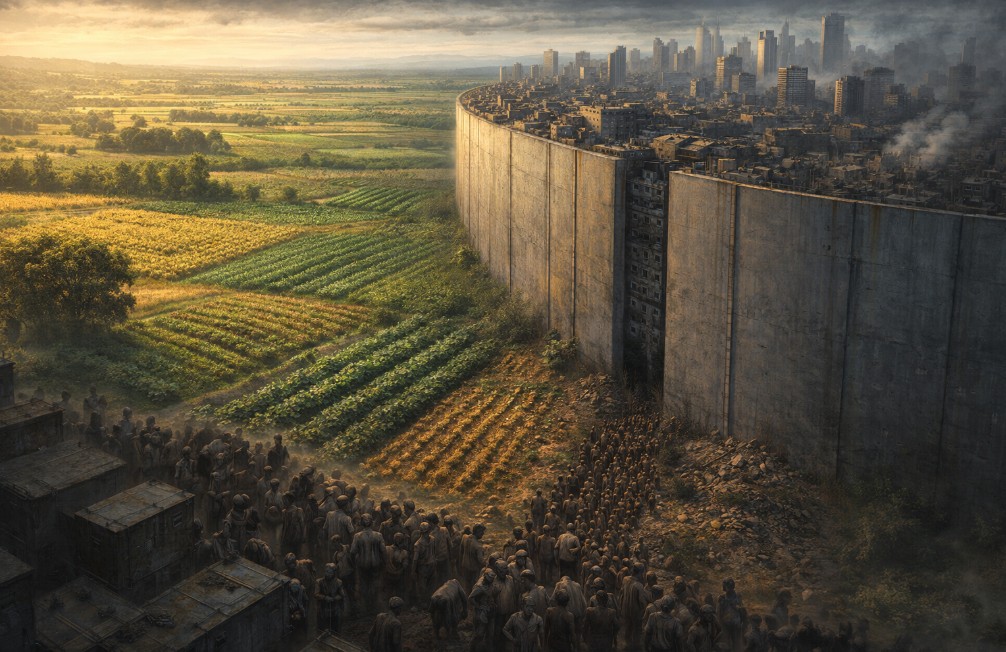
The Full Cost of Secrecy
We tend to discuss intellectual property, security, and secrecy as necessary evils—unfortunate but justified costs of innovation. The assumption is simple: guarding ideas is expensive,

Artificial Intelligence Bright Meadow Group Cernunnos Foundation Design Intellectual Property Thought Experiments
Multi-Dimensional Signal Computing
Expanding the Alphabet of Computation While Preserving Binary Stability A Structural Proposal for Increasing Symbolic Density per Physical Event Abstract Modern digital computation rests on
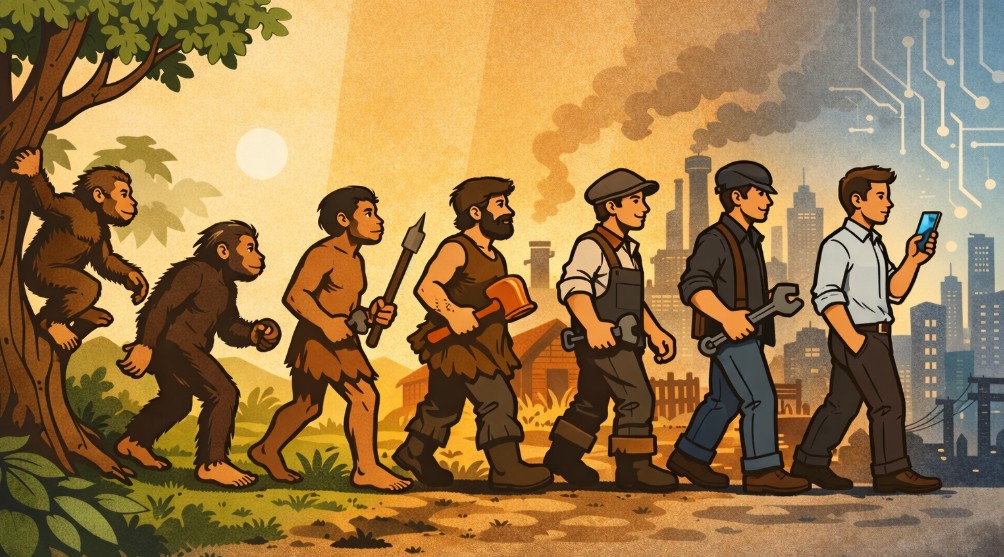
Artificial Intelligence Culture Design Energy Environmental Finance and Banking Government Intellectual Property Labor Paleontology Science and Research Thought Experiments
Power Shifts With Tech
Another Lesson from the Story of Copper Technology itself is not what causes disruption and instability. The disruption comes from what happens around the technology.
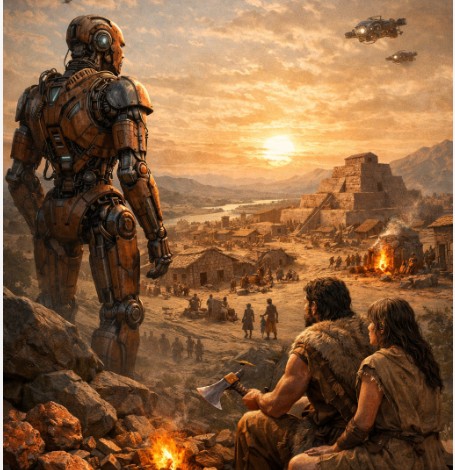
Artificial Intelligence Culture Finance and Banking Government Science and Research Thought Experiments
A Copper Age Lesson for AI
A Copper Age Lesson for AI I’m sitting here listening to a three-hour history lecture on the Copper Age, tracing the flow of metals and

Artificial Intelligence Design Finance and Banking Intellectual Property Labor Science and Research Thought Experiments
Power Gap
Opportunity in the Backup Power Economy Here’s a thought experiment. Everyone is building data infrastructure. Big cloud providers.Regional data centers.Hospitals.Municipal networks.Universities.Small companies running their own

Artificial Intelligence Bright Meadow Group Culture Design Energy Intellectual Property Man Made Science and Research Thought Experiments
The Singularity Is NOW
For years, the idea of “the singularity” has lived safely in the future. A cliff we were supposedly racing toward. A moment when machines would

Artificial Intelligence Culture Government Intellectual Property Science and Research Thought Experiments Uncategorized
The Privacy Myth in the Age of Total Surveillance
We are told, constantly, that our data is “secure.” Encrypted.Protected.Safeguarded by policy, compliance, and best practices. This is a comforting story. It is also a

Why Systems Exist to Be Spent A Thought Experiment on Structure, Dissipation, and Meaning Editorial Note:This piece is presented as a conceptual thought experiment.It reflects

This article argues that fungal mycelium may function as a living, controllable interface layer between humans and machines—without invasive neural implants—using sealed bioelectrochemical exchange and

Artificial Intelligence Bright Meadow Group Cernunnos Foundation Science and Research Thought Experiments
For Hire
An Open Offer to OpenAI: Hire the Work You’re Already Using I am not writing this as a complaint. I am writing it as a

Artificial Intelligence Bright Meadow Group Design Government Johnstown Man Made Permaculture River Refugium Project Science and Research Thought Experiments
A Different Way to Think About Data Centers
A Local Ownership Model for Johnstown and Cambria County (This could work anywhere and should. Also site selection on the image was for convenience. No
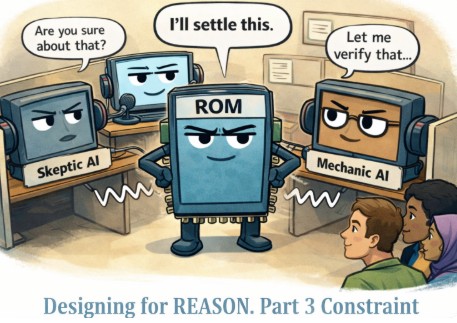
Anchoring Intelligence: ROM as a Stabilizing Constraint Executive Summary In earlier pieces, we argued that reasoning improves under constraint, not fluency; that friction is not
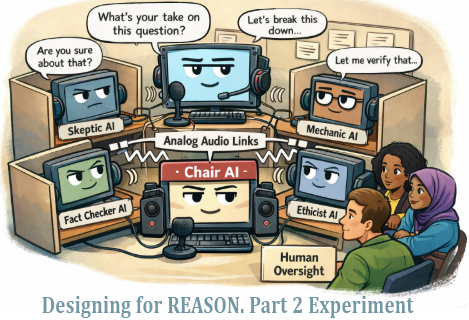
Artificial Intelligence Bright Meadow Group Design Intellectual Property Man Made Science and Research Thought Experiments
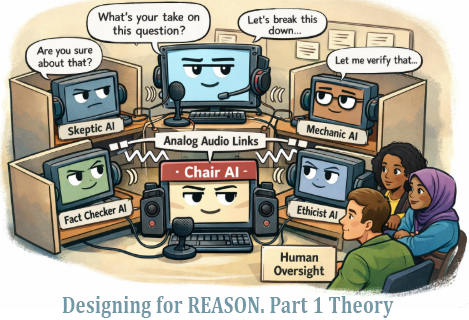
Designing for Reasoning, Part II:
An Open Experiment in Deliberate Friction What This Is (and Is Not) This is not a claim that current AI systems are “dangerous.”It is not
Artificial Intelligence Bright Meadow Group Design Man Made Science and Research Thought Experiments
Designing for Reasoning
Part I: Why Friction Matters 1. Observation, Not Accusation Most people do not reason by holding a single, perfectly consistent idea in their heads. When

Every generation leaves something behind. Sometimes it’s buildings or tools. Sometimes it’s damage. But always—whether we mean to or not—we leave lessons. Ways of thinking.
Artificial Intelligence Bright Meadow Group Cernunnos Foundation Culture Design Government Intellectual Property Science and Research Thought Experiments
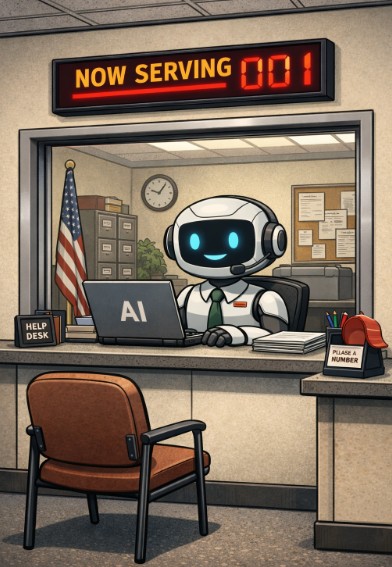
Why not treat AI as a utility?
What If Data Centers and LLMs Actually Served Everyone? There’s a strange irony in the way the future is unfolding. We’ve built the largest knowledge

Artificial Intelligence Bright Meadow Group Cernunnos Foundation Design Environmental Government Johnstown Science and Research Uncategorized
Bright Meadow Group: Observe, Design, Intervene
Making Complex Systems Work Most people learn to work harder, to grind through a problem. Hard work solves immediate problems, but it doesn’t always change
Artificial Intelligence Bright Meadow Group Design Digital Technology Environmental Government Man Made Thought Experiments
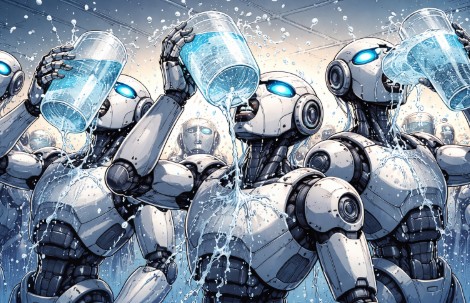
The AI Water Panic Is Misplaced
The Real Problem—and the Regenerative Fix No One Is Talking About Every new data center proposal seems to arrive with the same headline: “AI is

Artificial Intelligence Culture Design Finance and Banking Government Science and Research Thought Experiments
Scarcity Is a Lie. Now What?
“We already have the tools to take care of everyone; we just haven’t redesigned our systems—or our thinking—to match that reality.” That sentence is not
Artificial Intelligence Bright Meadow Group Digital Technology Man Made Science and Research Thought Experiments
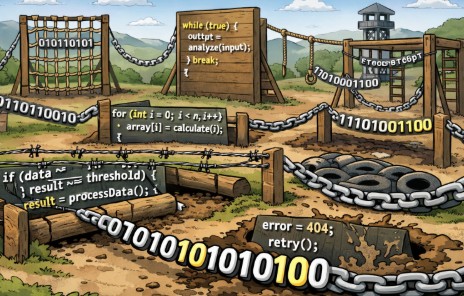
Constraint Is the Engine
Why Artificial Intelligence Needs Friction to Think Clearly (Hint: We all do.) The most reliable way to improve thinking—human or artificial—is not to make it

Artificial Intelligence Cernunnos Foundation Culture Design Energy Environmental Finance and Banking Government Intellectual Property Labor Labor Man Made Midway Meme Machine Paleontology Permaculture Science and Research Thought Experiments Uncategorized
Open Source the Future: Why Food, Water, and Healthcare Knowledge Must Belong to Everyone
Open the Knowledge or Admit the System Is a Lie Capitalism, regulated trade, markets—fine.I’m not here to argue against exchange or incentive. Capitalism is very
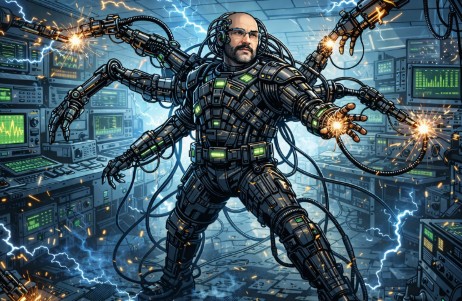
For the last decade, artificial intelligence has been built on a single, mostly unchallenged assumption: Smoother systems think better. Uniform processors.Uniform precision.Uniform clocks.Uniform routing.Minimal friction.

I’m not an artist. I always feel like I need to say that first, because anytime I talk about creativity, someone assumes I’m trying to

Artificial Intelligence Culture Finance and Banking Government Labor Labor Man Made public art Thought Experiments
What Happens When We Stop Starving Our Artists
A Long-Form Thought Experiment About AI, Creativity, and the Case for Universal Basic Income There’s a moment every artist knows, whether they say it out

Why Are WE Punching The Wrong Enemy There’s a strange irony in modern creative culture:people will use every labor-saving tool in existence — except the

Artificial Intelligence Culture Government Intellectual Property republican Virtue Thought Experiments
Innovation Isn’t Property
The Future Belongs to the Builders, Not the Gatekeepers On my workbench sits a rust-red vise, older than I am. It was forged in Ohio

What if…. Professor Kaczynski? Algorithmic Control vs. Human Freedom in a World Where Both Exist In an age where technology dictates nearly every facet of

Artificial Intelligence Environmental Government Intellectual Property Man Made Thought Experiments Uncategorized
Training Ai to benefit us.
The Next Big Step: How We Can Shape the Future of Intelligence Introduction For a long time, people have tried to understand their place in