Freedom and Governance
Every generation inherits the American republic.
Very few pause to ask what it requires in return.
The founders spoke constantly about liberty, but they spoke just as often about something modern politics rarely mentions anymore: virtue — the habits of restraint, humility, and self-command that allow free citizens to govern themselves.
Without those habits, freedom slowly collapses into noise.
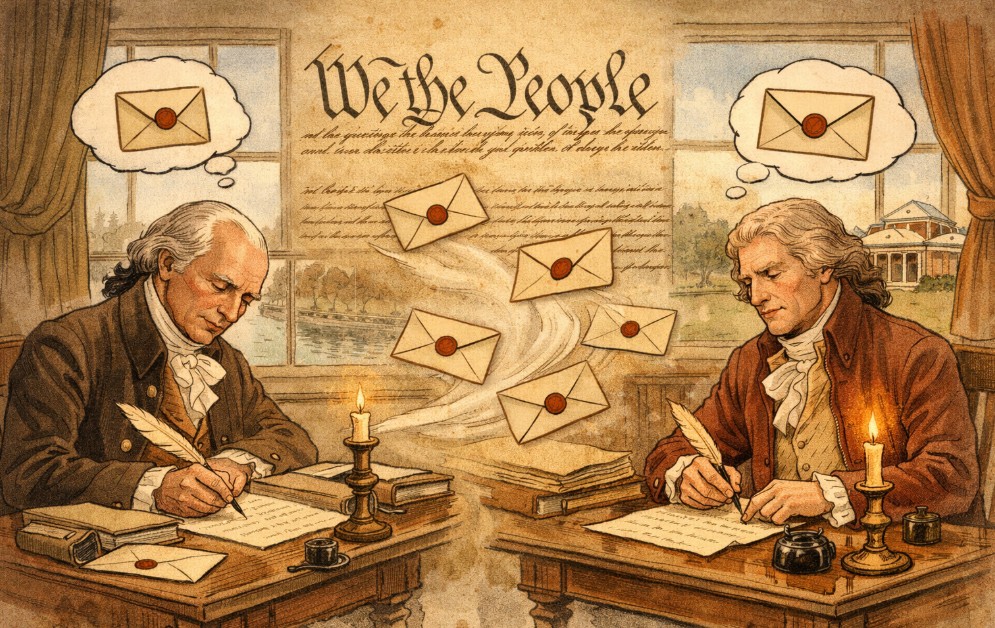
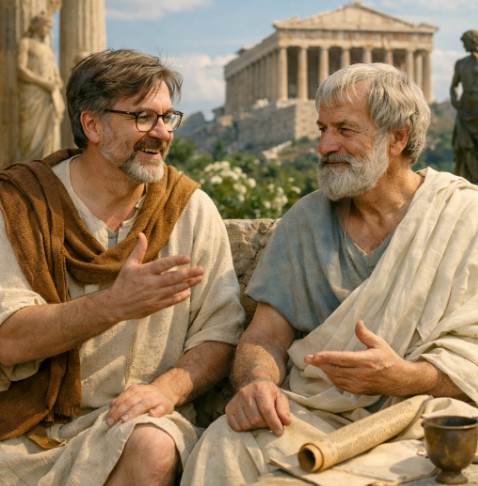
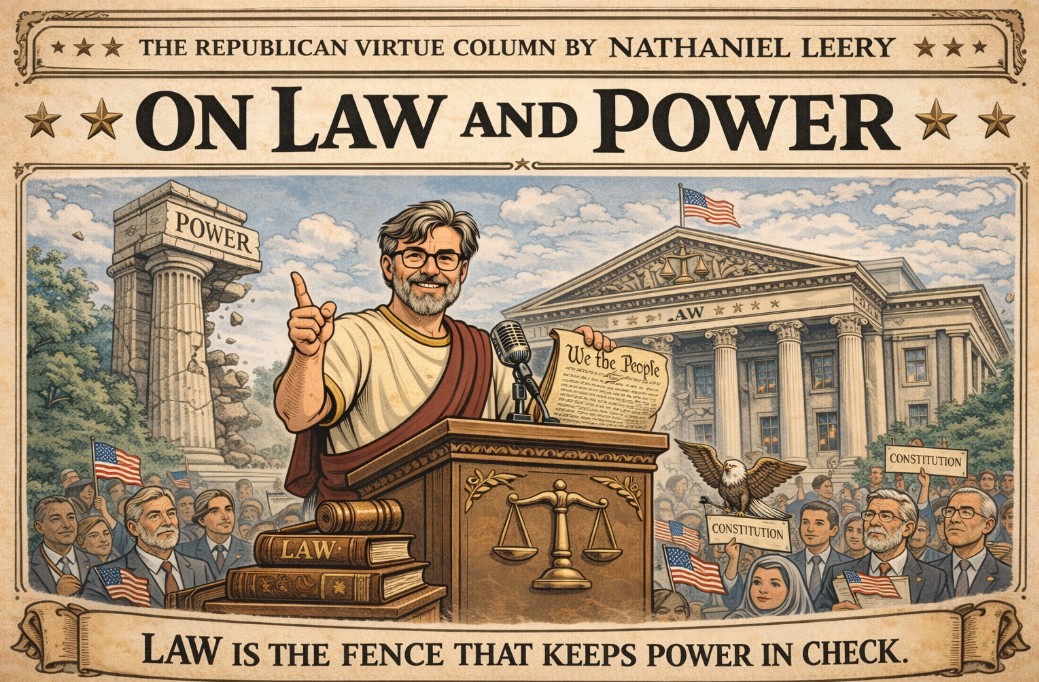
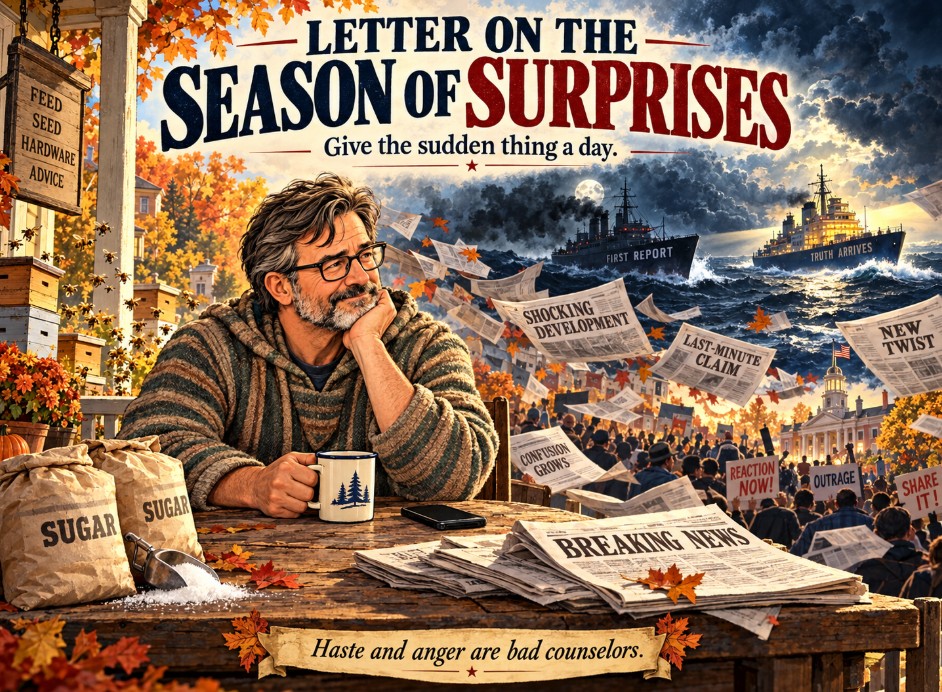
This column is a series of letters exploring that older idea of republican character. Inspired by the reflective exchanges of Madison, Jefferson, and Adams, these essays consider what it actually means to live in a free society — and why liberty depends as much on the discipline of citizens as it does on the design of institutions.
Each letter approaches the question from a different angle:
- the nature of liberty
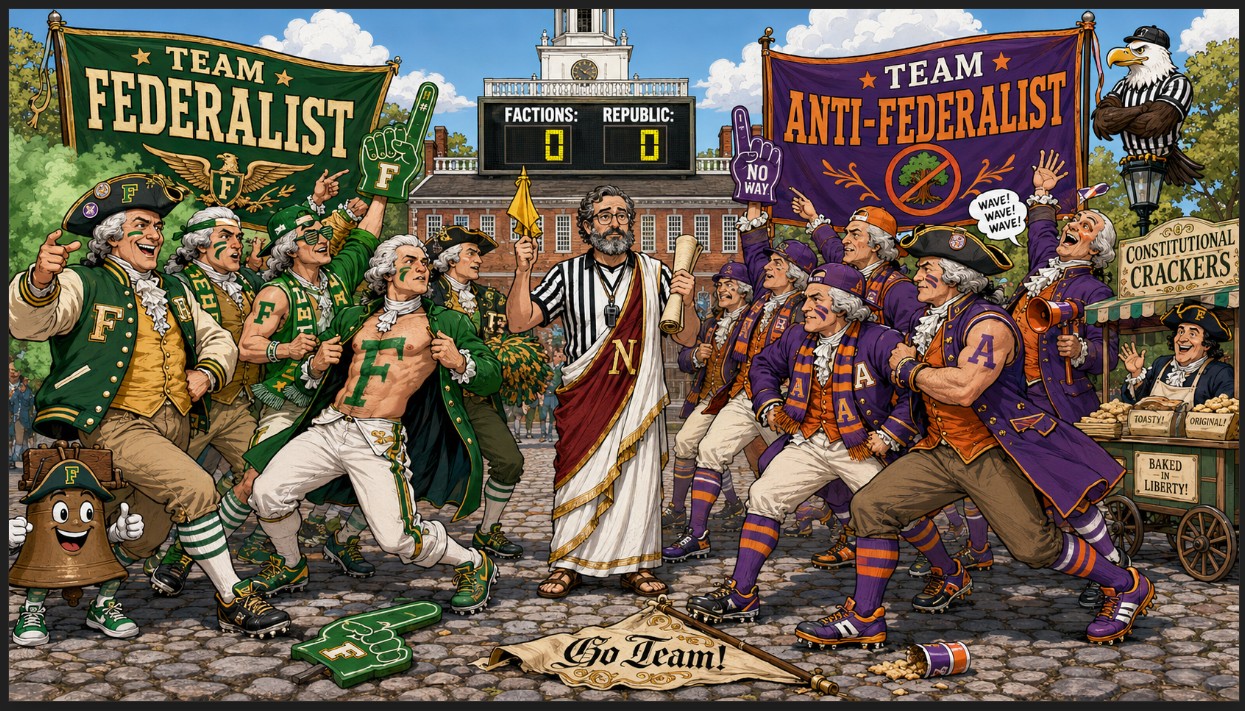
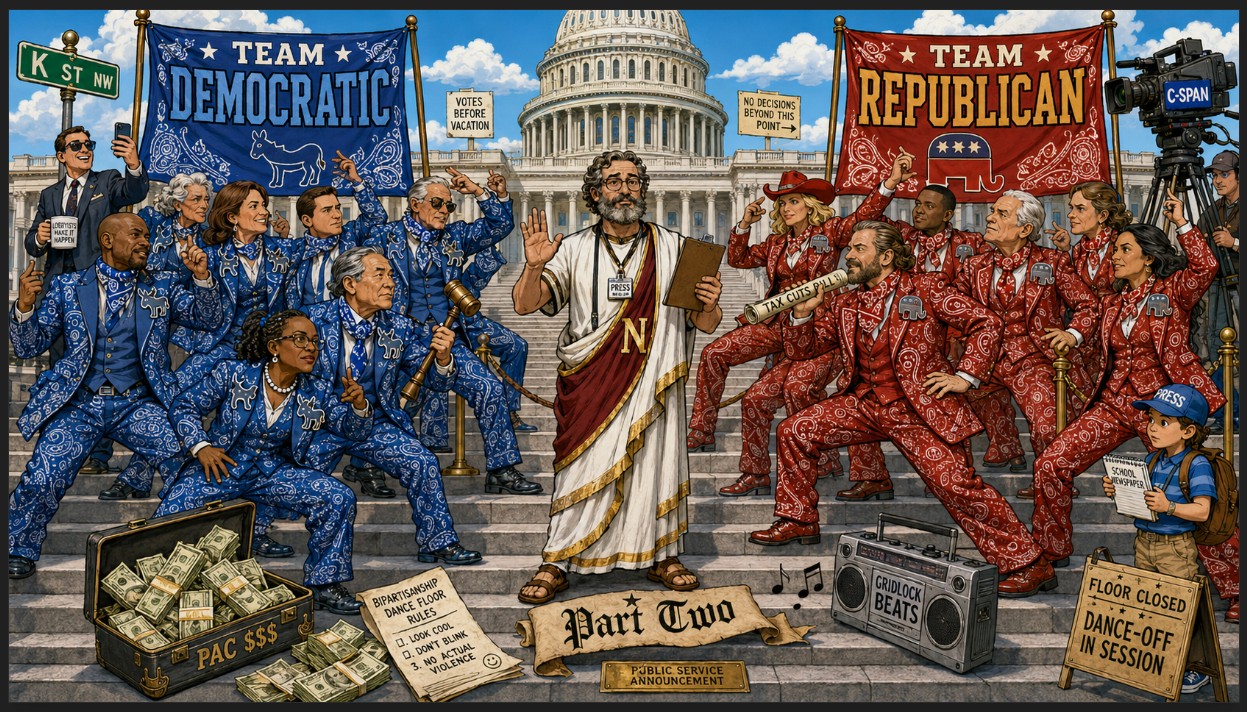
- the danger of faction
- the discipline of self-government
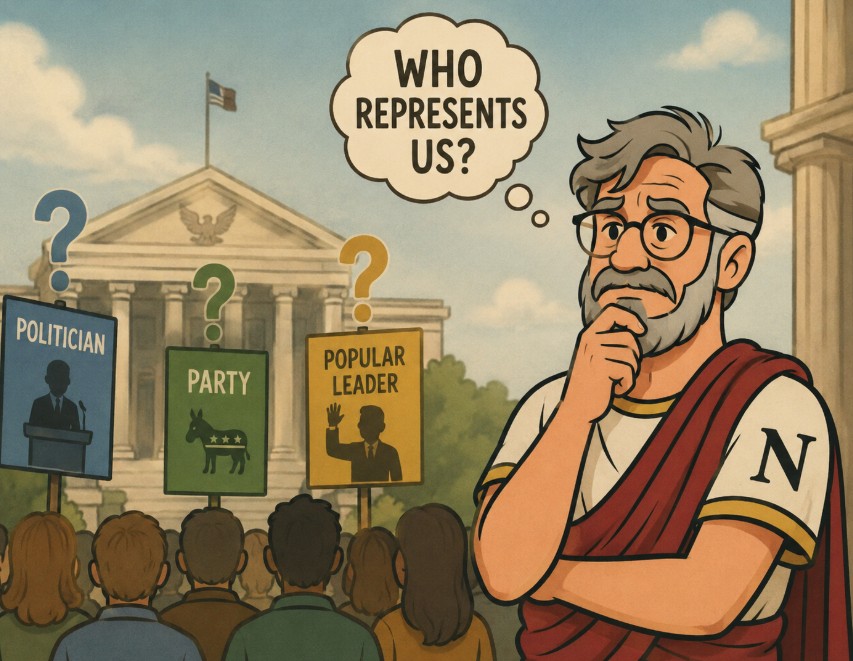
- the responsibilities of citizenship
- and the quiet work required to sustain a republic
These are not arguments about parties or personalities.
They are reflections on the character a free people must cultivate if the republic is to endure.
Because in the end, the success of self-government rests on a simple truth:
a republic survives only as long as its citizens remain worthy of it.