Rose Island — When the Forest Takes the Park Back
Hidden deep inside Charlestown State Park lies one of the clearest examples of how quickly nature can reclaim the work of man.
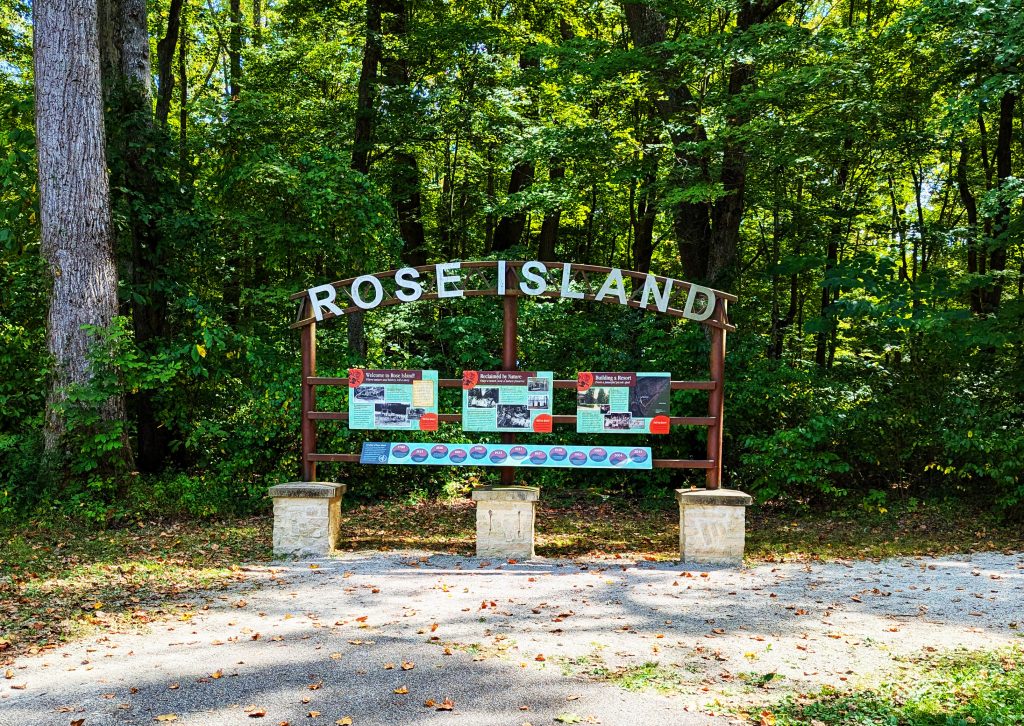
The place is called Rose Island, and a century ago it was anything but quiet.
Today you reach it by walking through forest.
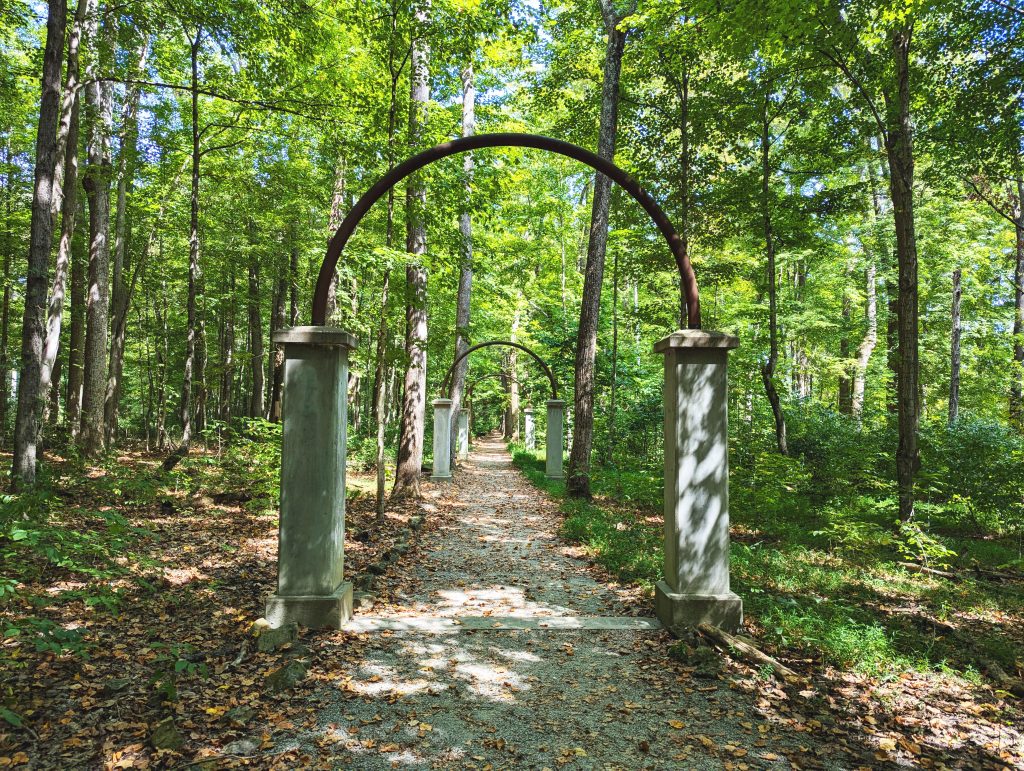
A gravel path through hardwood trees.
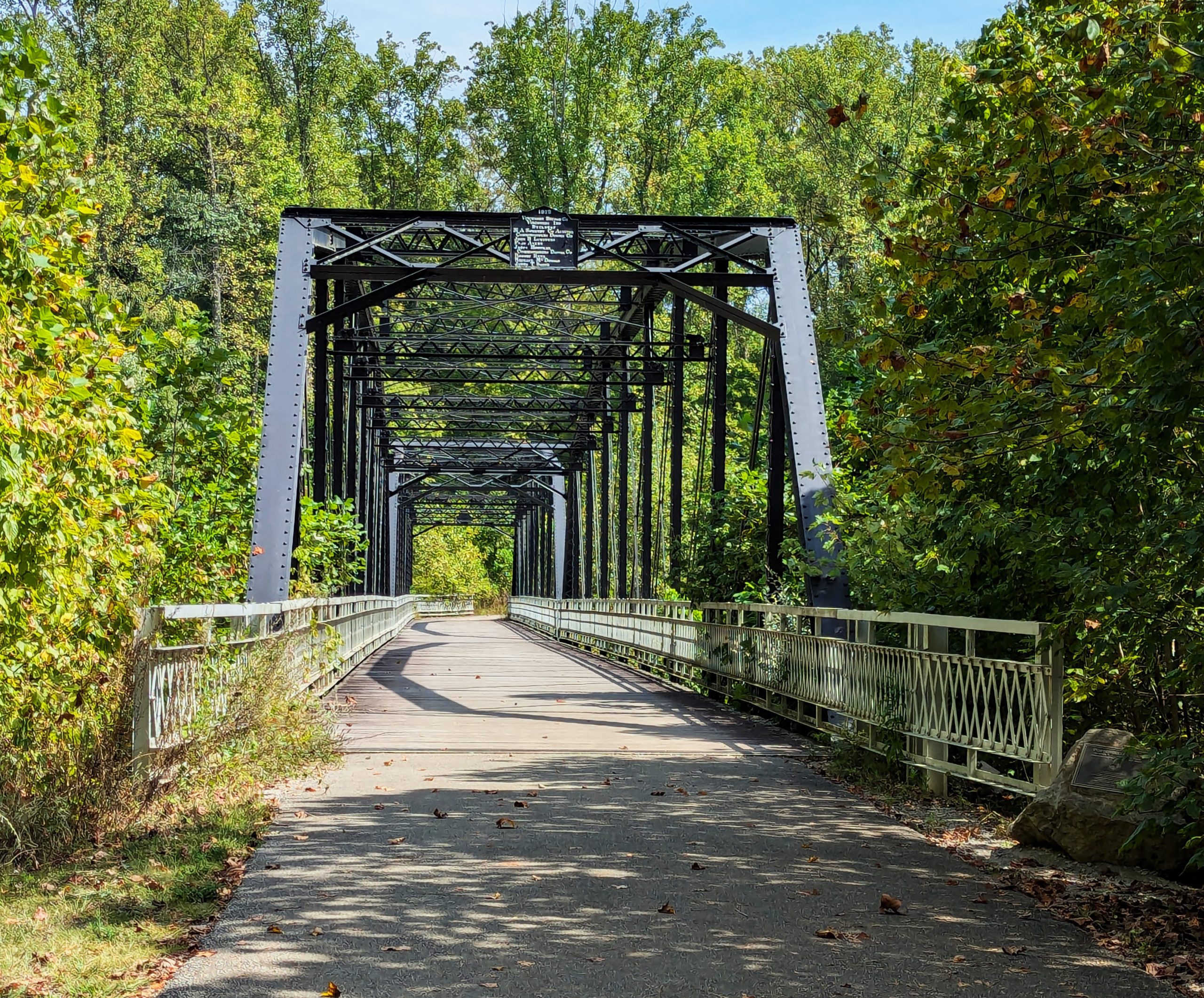
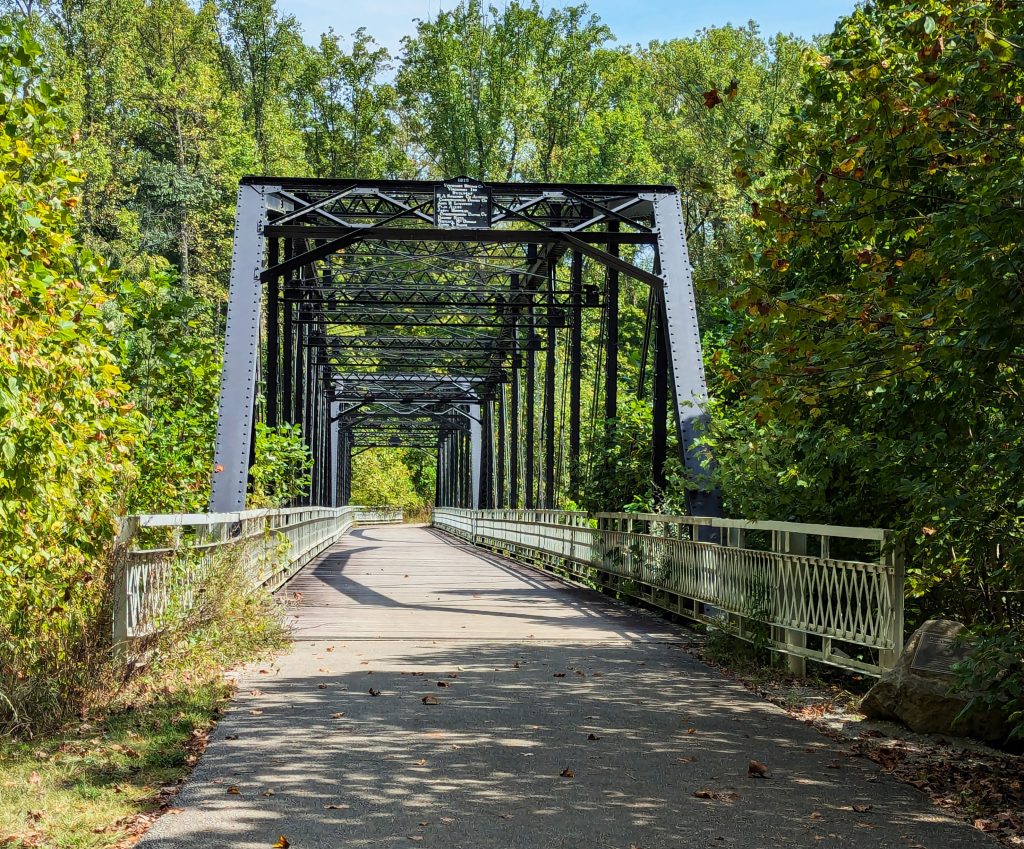
A steel bridge crossing a wooded ravine.
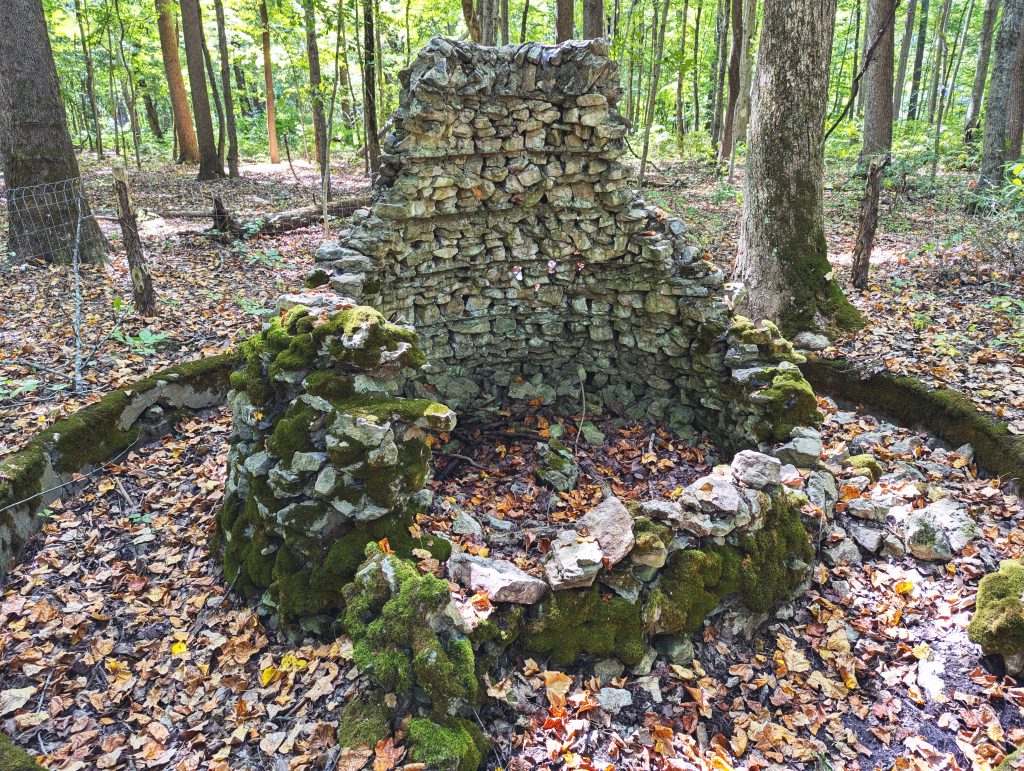
Stone foundations dissolving slowly into moss.
The forest has taken it back.
The Man-Made Dream
In the early 1920s, Rose Island was developed as a resort and amusement park along the Ohio River.
The location was chosen for its natural beauty — a wooded river valley surrounded by steep hills and shaded hardwood forest. Developers believed it would be the perfect escape from nearby cities like Louisville.
For a brief time, they were right.
At its height, Rose Island featured:
- a roller coaster
- a large dance pavilion
- hotel accommodations
- cottages and picnic grounds
- a swimming pool
- rides, concessions, and river access
Visitors arrived by automobile and by boat to spend summer weekends dancing, swimming, and riding the coaster while overlooking the Ohio River valley.
For a few years in the 1920s, Rose Island was one of the most popular recreation spots in southern Indiana.
Then the river reminded everyone who was really in charge.
The Flood That Ended It
In 1937, the Ohio River produced one of the worst floods in American history.
Water levels rose across the entire river system. Cities flooded. Infrastructure failed. Entire communities were submerged.
Rose Island sat directly in the floodplain.
The park was devastated.
Buildings collapsed.
Rides were destroyed.
Roads and infrastructure were wiped away.
When the waters finally receded, the park was beyond recovery.
It never reopened.
The developers walked away.
And once they did, the forest moved back in.
Nature Moves Back In
The surrounding hills are part of the rugged hardwood ecosystem that now defines Charlestown State Park.
Without maintenance, the process of reclamation began almost immediately.
Wood structures rotted.
Roofs collapsed.
Stone walls cracked and fell.
Vines and moss spread across the ruins.
Within a few decades, nearly everything that once stood at Rose Island had disappeared.
Today only fragments remain.
Concrete columns marking old pathways.
Stone structures softened by moss.
Foundations barely visible beneath fallen leaves.
The amusement park is gone.
But the landscape remembers.
The Bridge That Still Stands
Before reaching the ruins, visitors cross one of the most striking survivors from the park era: a steel truss bridge spanning a wooded ravine.
The bridge carried automobiles into Rose Island when the park was active. Visitors arriving from the hills above had to cross this narrow valley before descending toward the river resort.
Structurally, it is a classic early-20th-century riveted steel truss, the kind of bridge that once appeared on thousands of rural roads across America. Built from heavy steel members and assembled with rows of rivets, these bridges were designed to last for generations.
Many did.
Standing in the center of the bridge today, you can look down into the ravine carved by a tributary feeding Fourteenmile Creek, which eventually drains into the Ohio River below.
The setting explains both the beauty and the danger of Rose Island’s location.
The creek valley and surrounding forest make the landscape picturesque and peaceful. But the same water systems that shaped the valley also connect directly to the massive watershed of the Ohio River.
When the flood came in 1937, everything downstream paid the price.
Yet the bridge survived.
Steel trusses frame the forest canopy like a tunnel.
Wooden planks echo underfoot as hikers cross toward the old park grounds.
It now serves a completely different purpose — not carrying visitors to an amusement park, but carrying hikers into the past.
Walking Through the Past
Beyond the bridge, the trail winds downhill through quiet forest.
Interpretive signs describe what once stood here, but the imagination has to do most of the work.
Birdsong replaces the sound of machinery.
Leaves blanket the ground where crowds once gathered.
Standing among the remaining ruins, it is difficult to picture the roller coaster, dance hall, and busy resort that once filled this valley.
In less than a century, the forest has nearly erased an entire amusement park.
The Quiet After the Crowd
Places like Rose Island offer a rare perspective on the relationship between people and landscapes.
Human construction often feels permanent.
Concrete, steel, and stone seem to promise durability and control.
But the truth is different.
Given enough time, the forest always returns.
Rose Island is more than a historical curiosity.
It is a living demonstration of how quickly nature can reclaim what we build.
And in the quiet woods of Charlestown State Park, the forest has done exactly that.